


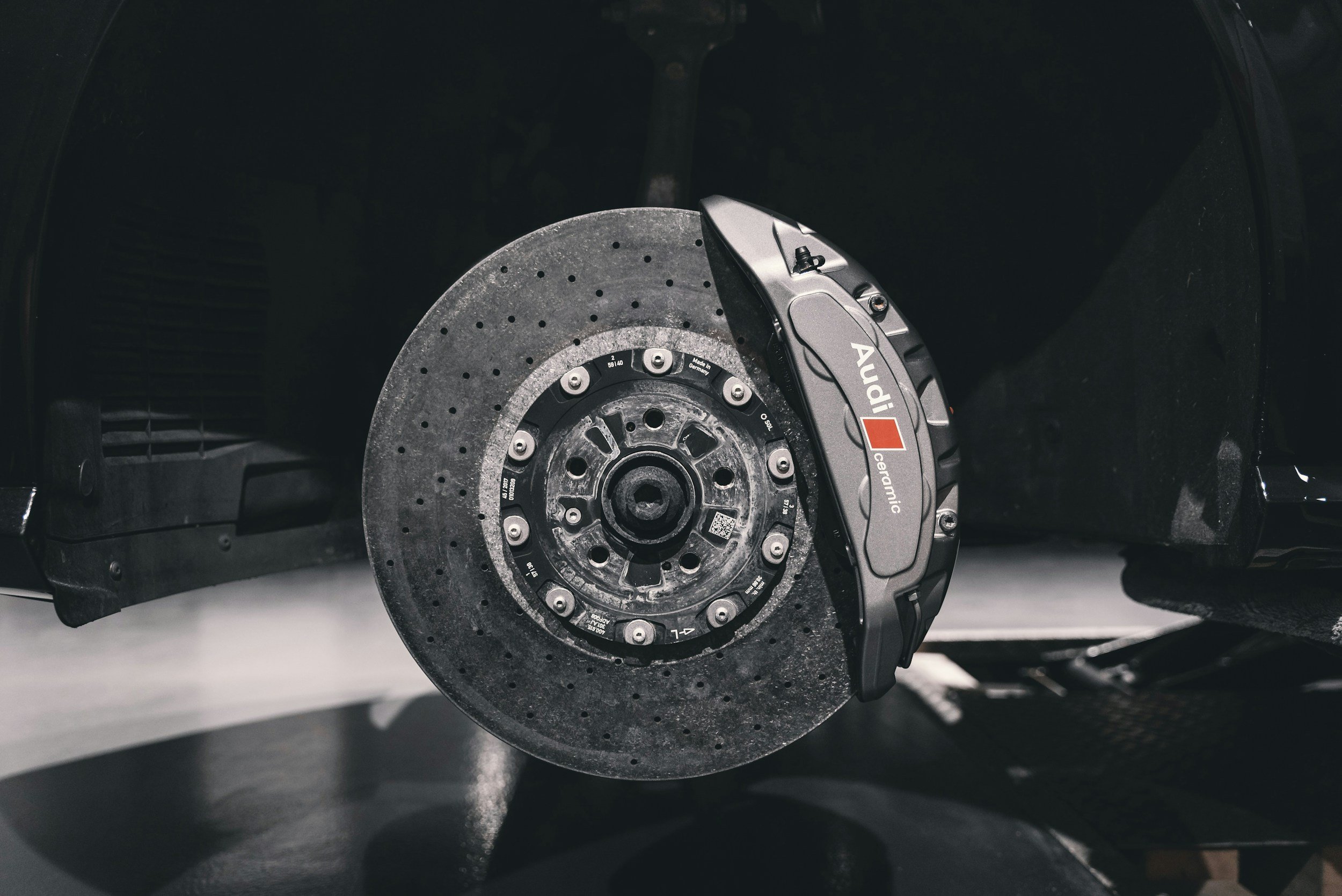
Brakes
Brakes are one of the most critical safety systems on any vehicle. Over time, friction materials such as pads and discs wear down, and hydraulic components can deteriorate through heat, pressure, and moisture in the fluid. This gradual wear reduces braking efficiency, affects pedal feel, and increases stopping distance. Regular inspection helps ensure the system continues to operate correctly, with even braking force across all wheels.
At CN Motors, we carry out repairs and replacements across the full braking system, which includes: pads, discs, and calipers to hydraulic lines, master cylinders, and ABS modules. Each component is inspected for wear, corrosion, and mechanical integrity before refitting. If you notice vibrations through the pedal, unusual noises, or a change in response, it’s best to have the system checked promptly. Small issues such as seized caliper sliders, contaminated fluid, or uneven pad wear can quickly escalate into more serious faults or damage to associated components.
All parts are fitted using the correct procedures and torque settings, with mating surfaces cleaned and components lubricated where required. We only use high-quality parts and the correct specification brake fluids for each system to maintain performance and safety.
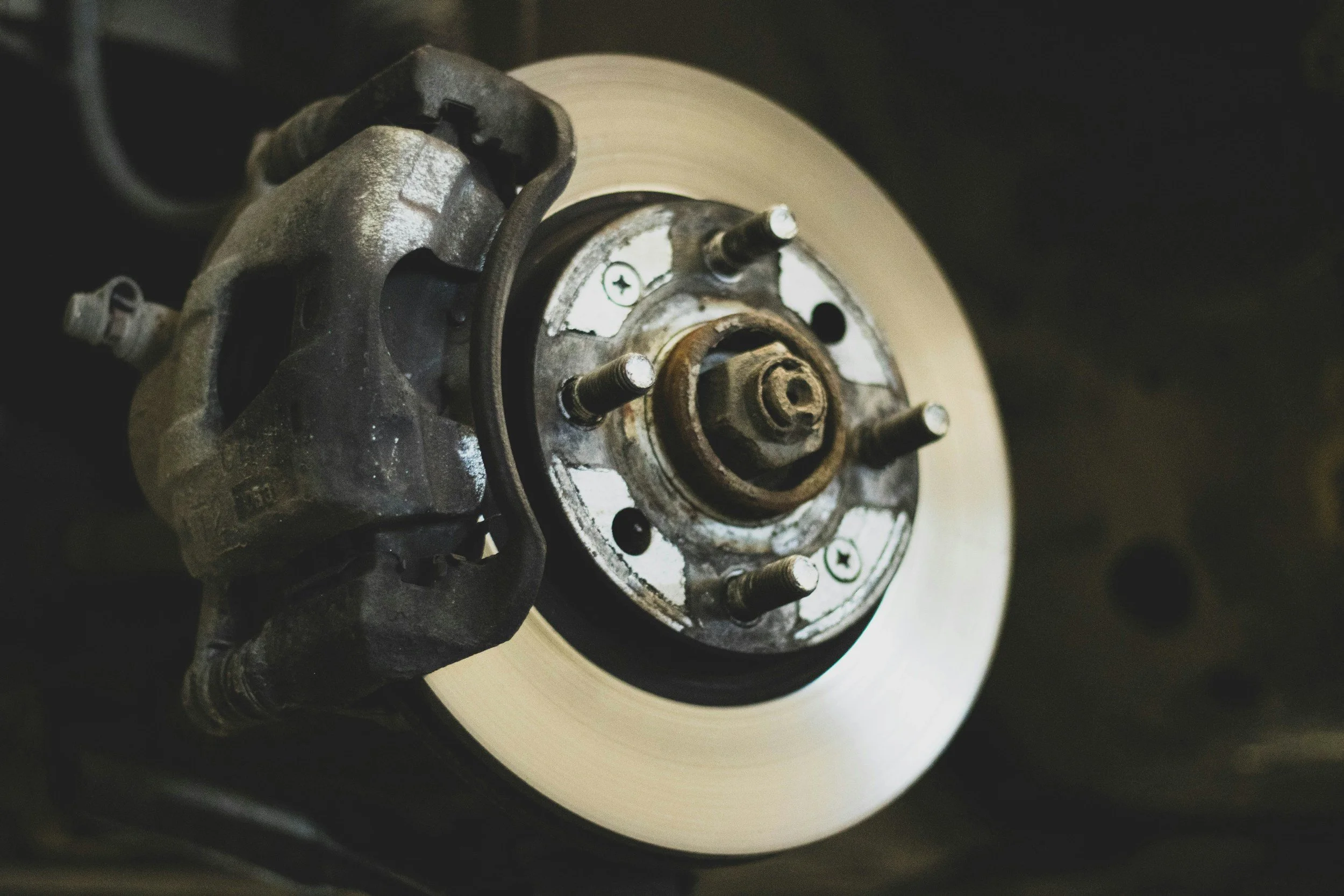
Signs of Brake Wear
Brakes rarely fail suddenly, they give plenty of warning when something’s not right.
Common signs to look out for include:
Squealing, grinding, or scraping noises – often caused by worn pads or corrosion on the discs
A soft or spongy pedal – can indicate air or moisture in the brake fluid
Vibrations when braking – usually linked to uneven brake wear or warped discs
Pulling to one side – can point to a sticking caliper or uneven braking pressure
Brake warning light illuminated – could mean low fluid, worn pads, or an ABS fault
Longer stopping distances or poor response – a sign the system isn’t operating at full pressure
If any of these sound familiar, it’s best to get your brakes checked before the issue worsens.
Brake FAQs
-
We recommend checking brakes at least once a year, or any time you notice a change in how they feel. For high-mileage or heavy-use vehicles, more frequent inspections are worthwhile.
-
In most cases, yes. Fitting new pads to worn or uneven discs can cause noise, vibration, and poor braking efficiency. Replacing both together ensures even contact and proper braking force.
-
Brake fluid absorbs moisture over time, which lowers its boiling point and reduces braking performance. It should usually be replaced every two years to keep the hydraulic system working safely.
-
It’s not recommended. The light can indicate anything from worn pads to a hydraulic fault, and driving could make the issue worse or unsafe.
Contact Us About Brake Repairs
If you’ve noticed any changes in how your brakes feel or sound, get in touch and we’ll take a look.
Call 01522 424045 or send us a message through the contact form to arrange a check or to get some advice.
You can also reach us directly on WhatsApp using the chat button in the bottom corner of the page.